
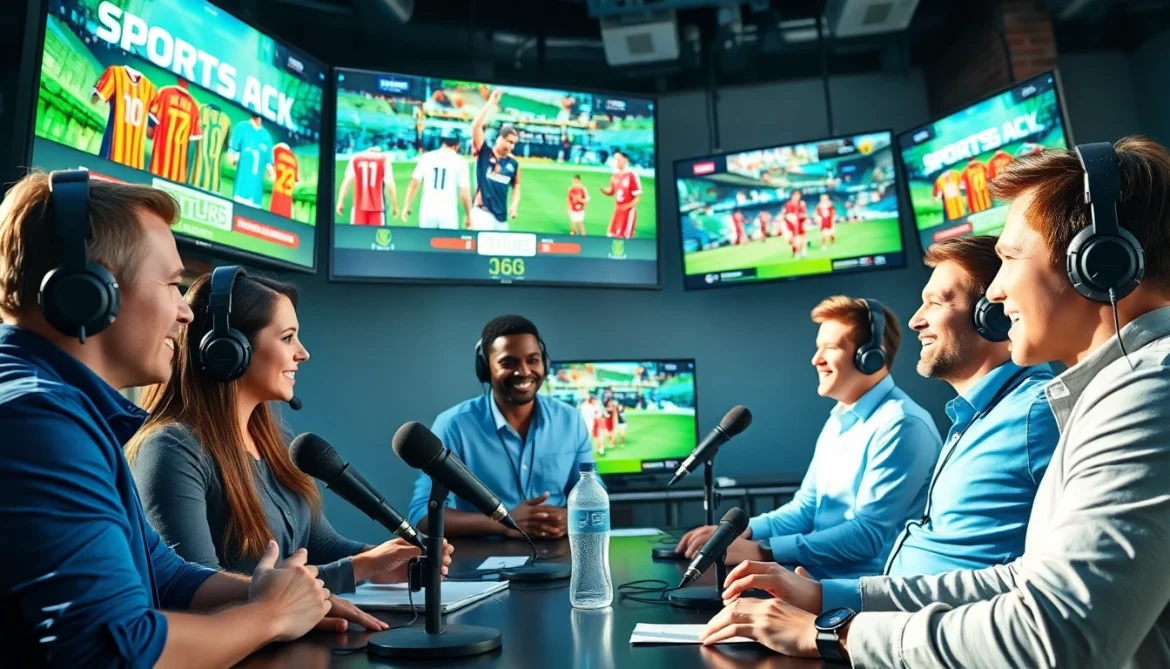
Understanding Sports Broadcasting
Definition and Scope
Sports broadcasting refers to the live coverage, promotion, and distribution of sports events and related content through various media channels, including television, radio, and online platforms. This multifaceted field not only encompasses the actual event coverage but also includes sports news, analysis, interviews, and documentaries. It plays a pivotal role in bringing sports enthusiasts closer to their favorite events and players, facilitating a universal connection across cultures. Indeed, the reach of Sports Broadcasting extends beyond mere entertainment; it fosters community and promotes sporting traditions.
History and Evolution
The origins of sports broadcasting can be traced back to the early 20th century. The first radio broadcasts of sports events began in the 1920s, with listeners tuning in to hear play-by-play descriptions of baseball games. The evolution continued with the advent of television in the 1950s, revolutionizing how sports were consumed. This era introduced viewers to on-screen visuals, bringing athletes and competitions to life from the comfort of their homes. Over the decades, advancements in technology—such as satellite transmission, cable networks, and the internet—have further transformed sports broadcasting into a vibrant, multi-platform experience. Presently, streaming services and social media platforms have altered the landscape, as fans now engage with live content anytime, anywhere.
Importance in Today’s Media Landscape
Today, sports broadcasting occupies a vital position within the media landscape. It has the unique capability to connect fans with live events, encourage loyalty among viewers, and generate substantial revenue through sponsorships and advertisements. Furthermore, it contributes to the globalization of sports, showcasing diverse competitions to wider audiences. This is particularly crucial in an era where viewer preferences are shifting toward personalized and engaging content. For sports authorities, teams, and organizations, effective broadcasting strategies can significantly enhance their outreach and branding efforts, making it imperative to navigate this dynamic industry adeptly.
Key Elements of Effective Sports Broadcasting
Content Creation and Curation
At the core of successful sports broadcasting lies effective content creation and curation. Broadcasters must curate meaningful content that resonates with their target audience. This involves identifying trending topics, conducting in-depth analyses, and providing viewers with insights that enhance their understanding and enjoyment of the sport. Engaging storytelling is crucial; narratives around player backgrounds, team rivalries, and memorable moments can transform an ordinary broadcast into an unforgettable experience. Additionally, incorporating expert opinions, fan interactions, and social media elements enriches the content, providing a multifaceted approach that keeps audiences invested.
Technical Aspects of Broadcasting
The technical side of sports broadcasting encompasses the infrastructure, equipment, and software required to deliver high-quality content. This includes cameras, microphones, production studios, and broadcasting towers, along with modern software for editing and graphics. With the rise of digital broadcasting, understanding streaming technology is paramount. Broadcasters must ensure that content is not only visually appealing but also available on multiple formats—be it HD, 4K, or VR—tailoring the experience for varying audience preferences. Implementing robust cybersecurity measures and maintaining seamless connectivity are also critical in an increasingly interconnected media environment.
Engaging the Audience
Engaging the audience goes beyond broadcasting games; it’s about fostering a community of fans. Successful broadcasters leverage social media channels to interact with viewers, gather feedback, and promote participation through polls and contests. Encouraging fan-generated content also enhances engagement and authenticity. Equally important is understanding audience demographics, such as age, interests, and viewing habits, to tailor broadcasting strategies accordingly. By creating interactive experiences—such as live Q&A sessions with athletes or providing real-time statistics—broadcasters can deepen audience connection, ensuring a loyal viewership that returns for future events.
Challenges in Sports Broadcasting
Maintaining Viewership
Maintaining a robust viewer base in an age of fragmented media consumption can be challenging. With numerous competing platforms offering diverse content, sports broadcasters face the risk of diminished viewership. To counter this, it’s crucial to evolve broadcasting strategies, focusing on quality content delivery and audience involvement. Regular assessments to identify trends in viewer preferences can help in curating personalized experiences. Additionally, partnerships with influencers and creating exclusive content can bolster interest, drawing viewers back time and again.
Technological Advancements
The rapid pace of technological advancements poses both opportunities and challenges for sports broadcasters. Staying ahead of the curve means continually adapting to new formats and platforms. Emerging technologies, such as artificial intelligence, can enhance broadcasting capabilities, aiding in data analytics, real-time statistics, and personalized content delivery. However, adopting such technologies requires substantial investment in training and infrastructure. Broadcasters must strike a balance between embracing innovation and maintaining user-friendly interfaces, ensuring that audience experiences remain seamless even as they explore new formats.
Legal and Copyright Issues
Navigating the legal landscape surrounding sports broadcasting is intricate and fraught with challenges. Copyright issues can arise concerning the content being aired—both in terms of the games played and additional elements like music and graphics. Strict adherence to licensing agreements and contracts is necessary to ensure compliance. Additionally, broadcasters must be aware of regulations pertaining to advertising, sponsorships, and broadcasting rights, especially when entering international markets. Legal challenges can quickly escalate into costly disputes, making it essential for broadcasters to consult legal experts regularly to avoid pitfalls and ensure their operations adhere to all relevant laws.
Future Trends in Sports Broadcasting
Integration of Digital Platforms
The future of sports broadcasting will be heavily influenced by the integration of digital platforms. As audiences increasingly shift toward online viewing, broadcasters must establish a strong digital presence. Multi-platform broadcasting—combining traditional television with streaming services, social media, and mobile applications—will become critical. This approach facilitates accessibility and enhances viewer engagement by providing diverse ways to consume content. Furthermore, partnerships with tech companies and content creators can drive innovation, delivering unique viewing experiences tailored specifically for digital audiences.
Emerging Technologies in Broadcasting
Emerging technologies are set to revolutionize sports broadcasting in unprecedented ways. Advances in augmented reality (AR) and virtual reality (VR) create immersive viewing experiences that allow fans to feel as though they’re part of the game. Additionally, 360-degree cameras and drone technology offer exciting new angles and perspectives. The integration of data analytics can also enhance commentary through real-time stats and insights, elevating audience understanding. Broadcasters will need to stay attuned to these developments and purposefully integrate them into their offerings to maintain a competitive edge.
Interactive Viewing Experiences
The desire for interactive viewing experiences is a growing trend across various audiences. Broadcasters will need to create more participatory formats—such as second-screen applications, where viewers engage with real-time stats and analysis while watching live events. Integrating gamification features, such as fantasy sports or predictive analytics during broadcasts, can further captivate audiences. The future lies in creating a two-way engagement model where viewers are not just passive consumers but active participants in the sporting narrative, turning watching into a dynamic and content-rich experience.
FAQs about Sports Broadcasting
What is Sports Broadcasting?
Sports broadcasting involves the live coverage and distribution of sports events and related content across various media platforms, connecting fans to their favorite teams and athletes.
How has technology impacted Sports Broadcasting?
Technology has transformed sports broadcasting through advancements like improved broadcasting equipment, streaming services, and innovative viewer engagement strategies, enhancing the overall experience.
What skills are essential for a sports broadcaster?
Essential skills for sports broadcasters include strong communication, analytical thinking, technical proficiency, and the ability to engage and connect with audiences through storytelling.
Why is audience engagement important in Sports Broadcasting?
Audience engagement is critical as it fosters loyalty, enhances viewer experience, and encourages interactive participation, creating a vibrant community around sports content.
What are common legal issues in Sports Broadcasting?
Common legal issues include copyright infringements, licensing disputes, and regulations around advertising and sponsorships, necessitating careful legal oversight for broadcasters.