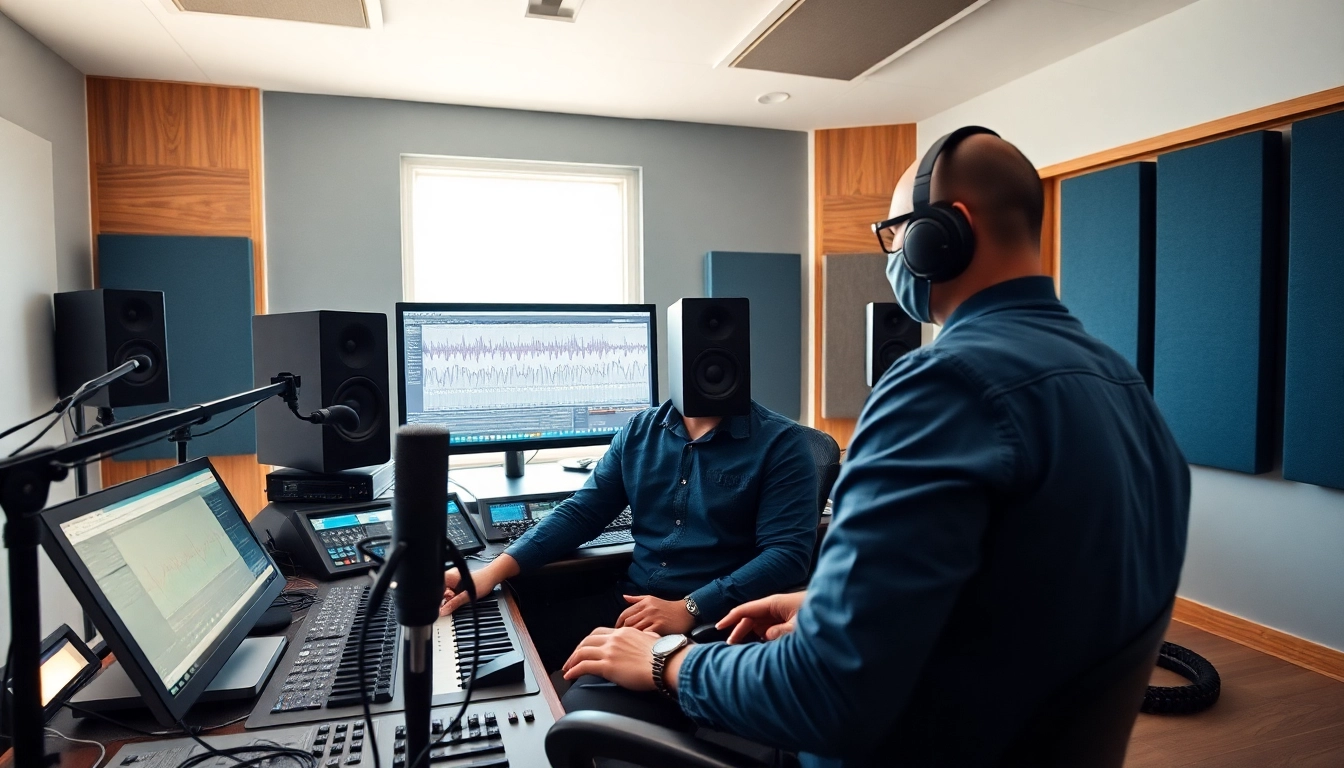
Understanding Online Audio Mastering
In the ever-evolving landscape of music production, online audio mastering has emerged as a valuable tool for musicians and producers alike. It streamlines the final audio touches needed to deliver a polished track ready for distribution. Unlike traditional mastering, which requires in-studio sessions and specific hardware, online audio mastering allows artists to submit their tracks over the Internet, making the process more accessible while maintaining highest quality standards. By using online audio mastering, artists can benefit from the expertise of seasoned professionals without the drawbacks of conventional studio time.
What is Online Audio Mastering?
Online audio mastering is a service that prepares audio tracks for distribution by enhancing sound quality, ensuring that it meets the technical standards required by various media platforms. This process typically involves a series of steps aimed at balancing frequencies, maximizing loudness, and ultimately creating a final mix that sounds great across every playback system, from headphones to concert speakers. The essence of online mastering is the use of high-quality digital tools and experienced mastering engineers who carefully listen and adjust each track for optimal results.
Key Benefits of Online Audio Mastering
- Cost-Effective: Online services reduce the need for expensive studio time while providing professional quality.
- Accessibility: Musicians can have their tracks mastered from anywhere in the world, with no geographical constraints.
- Speed: The online process often delivers faster turnaround times compared to traditional methods.
- Revisions: Many services allow for revisions after initial mastering, enabling artists to refine their sound.
- Variety of Options: Artists can choose from numerous platforms varying in features, pricing, and style.
How Online Audio Mastering Works
The online audio mastering process typically requires submission of the mixed audio track, followed by the mastering engineer’s adjustments. Most services use advanced algorithms alongside human ears to analyze the audio. Here's a general outline of how it works:
- Track Upload: Artists upload their final mix in high-quality audio formats like WAV or AIFF.
- Analysis: The mastering team analyzes the track for dynamic range, tonal balance, and overall loudness.
- Mastering Process: The engineer applies EQ, compression, limiting, and other enhancements to prepare the track for distribution.
- Feedback Loop: Artists can provide feedback, request alterations, and approve the final version.
- Output Delivery: The mastered track gets exported in various formats optimized for streaming, downloads, or CD burning.
Choosing the Right Online Audio Mastering Service
What to Look for in a Service
When selecting an online audio mastering service, consider the following factors:
- Experience and Expertise: Look for a service with seasoned engineers who have a background in your music genre.
- Sample Quality: Review samples of their previous work to assess quality and consistency.
- Turnaround Time: Check how long they typically take to master and deliver tracks.
- Customer Support: Reliable support can help resolve issues quickly during the mastering process.
- User Reviews: Read customer testimonials to gauge past client satisfaction and experiences.
Common Features of Online Audio Mastering Platforms
Most online audio mastering platforms offer a range of features designed to enhance user experience:
- Upload Tools: User-friendly interfaces for easy track uploads.
- Project Management: Systems to manage multiple tracks and revisions seamlessly.
- Feedback Systems: Options to leave notes or specifics for adjustments.
- MIDI Integration: Support for projects that use MIDI for additional editing.
- Architectural Flexibility: Choices between automated mastering or full human mastering by experts.
Comparing Pricing Models
Pricing models for online audio mastering services can vary widely, typically categorized into three main structures:
- Pay-Per-Track: Ideal for artists working on single tracks or paying for individual projects.
- Subscription Models: Often more economical for frequent users, allowing unlimited mastering for a monthly fee.
- Tier-Based Pricing: Different levels of service and pricing, based on features like turnaround speed or level of engineer expertise.
Understanding these models ensures you can find one that aligns with your budget and needs.
Best Practices for Your Audio Files
Preparing Your Tracks for Online Audio Mastering
Before sending your files for mastering, it’s crucial to prepare them properly to achieve the best results:
- Export in High Quality: Use lossless formats (WAV or AIFF) for optimal audio integrity.
- Leave Headroom: Ensure a minimum of -6 dB peak level, which gives mastering engineers space for processing.
- Avoid Over-Processing: Do not apply excessive compression or limiting to allow the mastering engineer to work effectively.
- Check the Mix: Ensure the mix is balanced and all elements are audible before mastering.
- Metadata Preparation: Prepare any necessary information (track title, artist, etc.) for the final master.
Common Mistakes to Avoid
Many artists make mistakes during the preparation phase that can diminish the quality of their mastered tracks:
- Excessive Limiting: Over-compression can lead to loss of dynamic range and quality.
- Ignoring Format Specifications: Not adhering to specified formats or sample rates can lead to rejected files.
- Failing to Double-Check Mixes: Premature submission of poorly balanced mixes can skew the final product.
- Neglecting Feedback: Avoiding revisions based on feedback can lead to unsatisfactory results.
Tips for Optimal Audio Quality
To ensure your final audio is of the highest quality, consider these tips:
- Monitor Levels: Keep a close watch on the mixing levels while adjusting various elements in your track.
- Use Quality Equipment: High-quality monitors and headphones can make a significant difference when mixing.
- Test on Multiple Systems: Listen to your mix on various playback systems to identify any inconsistencies.
- Get Peer Feedback: Allow trusted musicians or engineers to critique your mix before mastering submission.
- Stay Educated: Learning about mastering techniques can give you insights into how to prepare better mixes.
Case Studies and Success Stories
Impact of Online Audio Mastering in Various Genres
Online audio mastering has revolutionized the production quality across various genres. For instance, independent hip-hop artists have found that accessible mastering options have allowed them to compete sonically with major label releases. Likewise, folk and acoustic musicians have benefited from the clarity and warmth of high-quality online mastering, enabling their tracked sounds to resonate better with audiences, boat workers, or streaming platforms around the globe.
Before and After: Sound Quality Examples
To showcase the effectiveness of online audio mastering, let's explore the before and after sound quality of several tracks from diverse genres:
- Rock Track: Initially muddy vocals and overwhelmed guitars were transformed into a balanced, powerful sound with boosted clarity in each instrument.
- Electronic Track: The dynamics were enhanced to create a punchy, club-ready version that retained the energy of the original.
- Jazz Track: A dilute mix of brass and percussion was revitalized, showcasing tonal balance while preserving acoustic richness.
Testimonials from Musicians and Producers
Many artists have shared their success stories with online audio mastering services:
“The difference was night and day! My tracks sound professional now, and I couldn’t be happier with the results.” – Indie Artist
“I was amazed at how quickly my music was transformed into radio-ready quality. I highly recommend it!” – Music Producer
Future Trends in Online Audio Mastering
Technological Advancements on the Horizon
As technology progresses, online audio mastering is predicted to become increasingly efficient. Improvements such as real-time mastering adjustments and machine learning applications could revolutionize how tracks are processed, providing faster turnarounds and tailored audio adjustments based on user preferences or real-time data analysis.
The Rise of DIY Mastering Tools
Do-it-yourself mastering tools are becoming more accessible, enabling artists to apply mastering techniques at home. Affordable software and plugins allow creators to experiment with audio adjustments, but caution is advised to maintain industry-standard quality. While these tools can be helpful, they should not replace professional mastering for final releases.
How AI is Shaping Online Audio Mastering
Artificial Intelligence is beginning to make waves in the field of online audio mastering, automating processes and enhancing precision. AI-driven platforms are already able to analyze tracks and suggest improvements, providing feedback to artists while streamlining overall workflow. Such advancements could lower costs and increase access to professional quality mastering for an even broader range of musicians.
Frequently Asked Questions
What formats should I use for online audio mastering?
Use high-quality formats like WAV or AIFF to ensure optimal audio integrity during mastering.
How long does the online mastering process take?
Turnaround times vary by service but typically range from a few hours to several days, depending on the package chosen.
Are there different mastering techniques for different genres?
Yes, each genre may require specific mastering approaches to achieve the desired sound, adapting to the genre's unique nuances.
Can I request revisions after the initial mastering?
Many online mastering services offer revisions, allowing you to request changes to ensure satisfaction with the final product.
Is online audio mastering suitable for all types of music?
Yes, online audio mastering is effective for all genres, from electronic and hip-hop to classical and folk, ensuring professional results.